


Heart-centered leadership is about leading with empathy, honesty, and emotional intelligence to build stronger, more connected teams. It focuses on managing emotions, active listening, and fostering trust to create a supportive and collaborative environment. Here’s a quick breakdown:
- Key Emotional Intelligence Skills: Manage emotions, actively listen, and build trust within teams.
- Steps to Improve EI: Practice self-reflection, engage in team-building activities, and encourage daily emotional check-ins.
- Psychological Safety: Create an open, supportive space where team members feel safe to share ideas and concerns.
Why Team Emotional Intelligence Matters – Dr. Vanessa Druskat
Key Emotional Intelligence Skills for Leaders
Emotional intelligence for leaders revolves around three main skills: managing emotions, active listening, and building strong relationships.
Managing Your Own Emotions
Effective leaders know how to handle their emotions, creating a positive atmosphere and showing resilience, even in challenging situations. By staying composed and in control, they can make thoughtful decisions and connect better with their teams.
Listening and Understanding Others
Active listening is a cornerstone of emotional intelligence. It goes beyond just hearing words – it’s about understanding emotions and perspectives. Leaders who truly listen foster trust and create meaningful connections with their team members.
Building Strong Team Relationships
Strong relationships are built on trust and empathy. Leaders who prioritize these qualities create an environment where collaboration and problem-solving thrive. To strengthen team dynamics, leaders can:
- Show genuine empathy in their interactions
- Encourage open communication and trust within the team
Steps to Improve Team Emotional Intelligence
Leaders can help their teams develop emotional intelligence (EI) by incorporating intentional practices that enhance individual and group dynamics.
Self-Reflection Techniques
Set aside time each week to review your emotional responses and the decisions you’ve made. This practice helps build self-awareness and a better understanding of how emotions impact your actions.
Team Activities to Build EI
Incorporate activities like guided discussions, listening exercises, and trust-building activities. These help the team practice skills like active listening, empathy, and open communication, which are key to stronger collaboration.
Everyday EI Practices
- Start each day with team check-ins to gauge moods and encourage active listening.
- Encourage quick personal pauses during the day for emotional self-checks.
- Recognize and celebrate moments of empathy and clear communication to foster trust within the team.
sbb-itb-6cc8587
Creating a Safe Team Environment
Psychological safety is key for teams to perform well and come up with new ideas. When team members feel comfortable sharing thoughts and raising concerns, emotional intelligence grows naturally. Leaders play a big role in creating this environment by promoting openness, clear communication, and consistent support.
Leading with Openness
Leaders can build trust by being transparent and showing vulnerability. Rob Angel highlights this, saying, "Arnaud’s guidance unlocked unexpected insights and joy". It’s also important to create opportunities for everyone to contribute, ensuring no voice goes unheard.
Supporting Team Communication
Intentional feedback routines help make sure everyone feels included. Regular check-ins, structured discussions, and clear communication channels strengthen connections and improve understanding within the team.
Safety and Team Success
Psychological safety isn’t just about feeling good – it’s tied to higher performance. Research shows that teams with strong trust solve problems more efficiently and bounce back from challenges more effectively. By practicing empathy and active listening daily, teams build resilience, improve problem-solving, and deepen their bonds. This approach reinforces the self-reflection and team habits discussed earlier.
Examples and Results
Leadership Success Stories
Stories from leaders highlight how these principles make a difference. For instance, Rob Angel, the creator of Pictionary, shared how Arnaud’s guidance brought fresh perspectives and personal fulfillment:
"Arnaud’s teachings got me into places I would have never thought on my own. He’s helping me find my joy. It is rare that someone understands human condition as well as Arnaud."
These stories illustrate how heart-centered leadership can deeply impact collaboration, build trust, and improve team performance.
Next Steps
These stories of success provide a clear path for what you can do next.
Why Heart-Centered Leadership Matters
Leading with heart builds stronger trust, improves teamwork, and boosts overall performance.
Explore Heart Leadership Institute Tapuat Programs
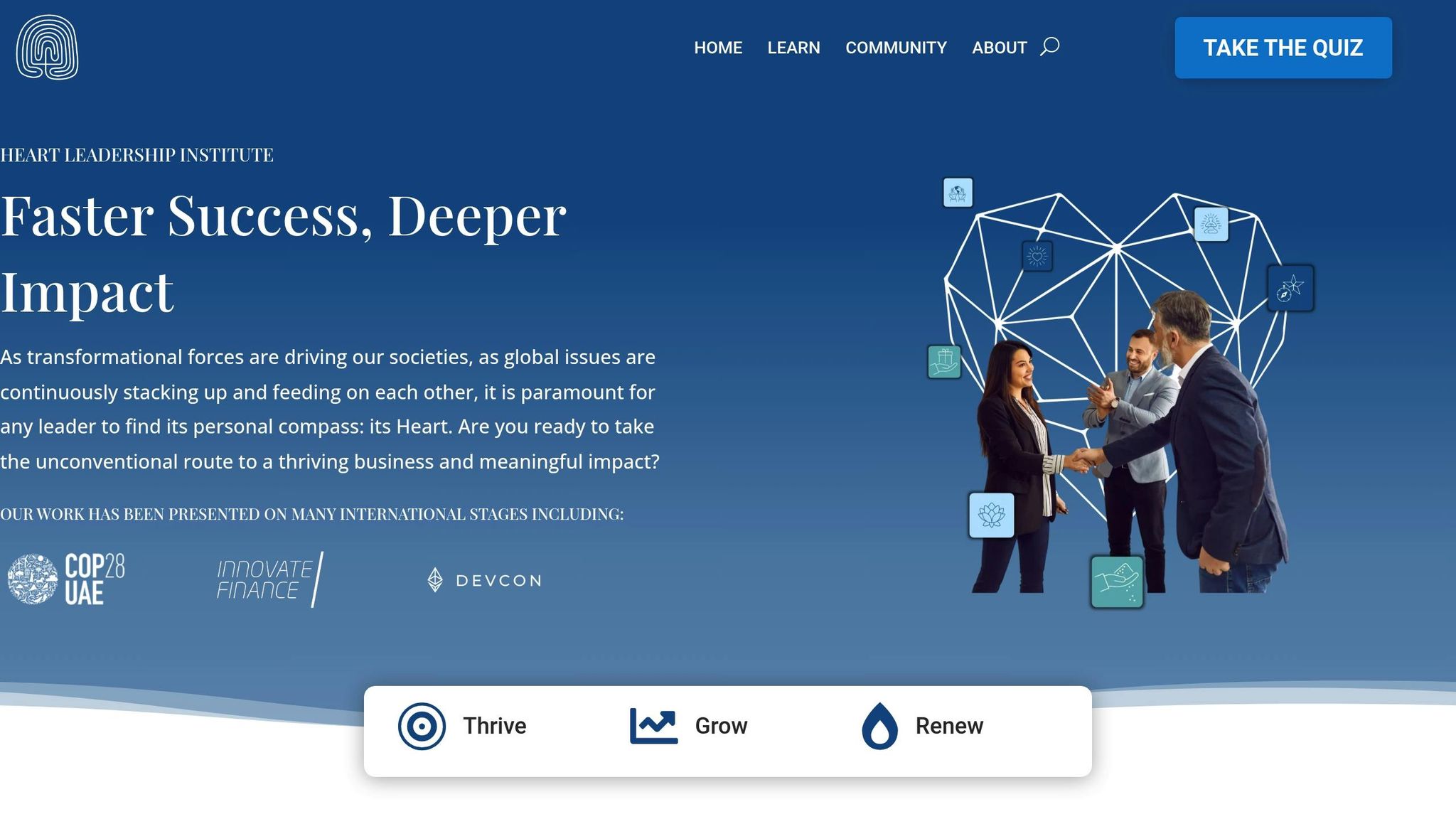
Kick off your journey with Tapuat’s programs: Heartful Guidance (daily insights and community access), Heartful Discovery (tailored coaching), Heartful Method (focused emotional intelligence training), and Heartful School (certification program). Start by taking the Heart Leader DNA quiz and scheduling a free one-on-one session to outline your growth plan.
Related posts
- The EQ Edge: Communicating Vision with Impact
- Emotional Intelligence for Resilient Leadership
- Heart-Mind Integration: A Leadership Approach
- How Emotional Intelligence Improves Team Resilience
Measure your own leadership coherence
The Heart Leadership Index is a structured self-assessment: 35 questions across seven pillars, about seven minutes, and your map is yours to read.
Take the HLI free